Seljalandsfoss
15 min drive
This waterfall allows visitors to walk behind the cascading water, providing a distinct perspective on the South Coast landscape after exploring the volcano area.

The volcano that grounded European air traffic in 2010 has no gate, no ticket desk and no queue. What it has instead is weather, a glacier surface that changes by the week, and terrain that decides who gets close. This page sets out who can reach it, how, and under what conditions.
Quick answer
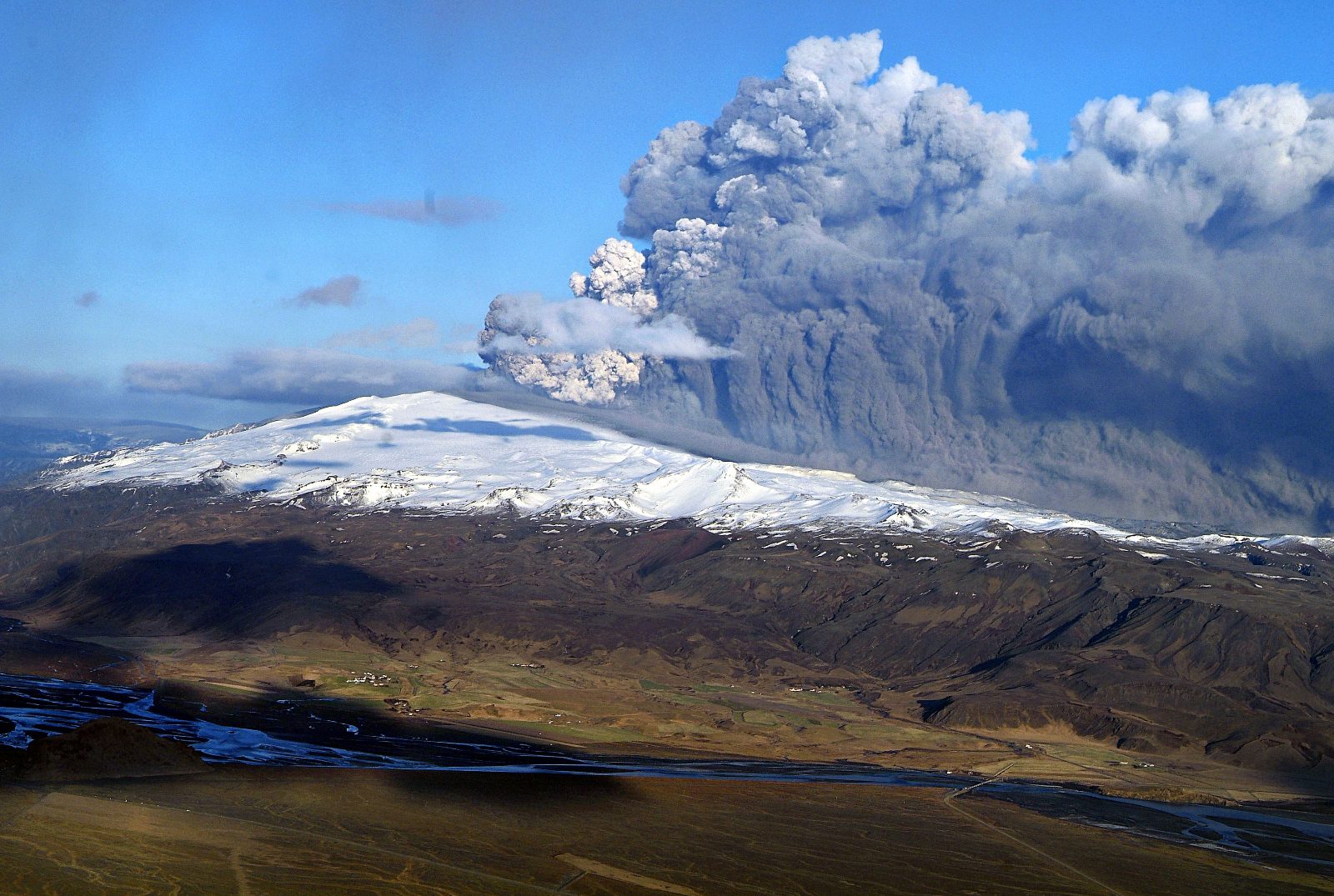
Yes. Eyjafjallajökull is open to the public around the clock at no charge — entry is 0 ISK, and the landscape is accessible every day of the week. The caveat is the ice cap itself: the summit crater and glacier surface sit above crevassed terrain and are not walk-up territory. Reaching them requires a guided operator, suitable vehicles and settled conditions.
In April 2010, an eruption beneath roughly 200 metres of ice threw a plume high enough to close much of European airspace for six days. Sixteen years later, the volcano that caused it is one of the least ceremonious landmarks in South Iceland. There is no visitor gate, no barrier and no attendant. The mountain simply stands at the edge of the Ring Road, its ice cap visible from the highway on a clear morning, and the question of whether can you visit eyjafjallajökull is answered less by policy than by physics. The distinction that matters is between the landscape and the ice. The lowland approaches — the farmland below Þórólfsfell, the meltwater channels of the Markarfljót, the black outwash plains left by the 2010 jökulhlaup — are open ground and cost nothing to stand on. From these vantage points the volcano reads as a broad, snow-capped dome rather than a classic cone. Neighbouring Þórsmörk and the Fimmvörðuháls pass, where the eruption first opened a fissure, are reached on foot or by high-clearance vehicle. The summit caldera is a different proposition. It sits under a permanent ice cap laced with crevasses, and the surface is rewritten by each winter's accumulation and each summer's melt. Independent walkers without glacier training and rope skills have no business on it. That is where organised access comes in. Guided snowmobile and super-jeep operators run from staging points below the ice, carrying visitors up onto the glacier where a self-drive route would end. These crossings are weather-dependent and can be stood down at short notice — a Eyjafjallajökull glacier tour cancelled for wind is normal, not exceptional. Anyone asking can you visit eyjafjallajökull in the depths of winter should assume the ice is reachable only in the operators' judgement, not the visitor's. The eyjafjallajökull volcano tour season runs longest through summer, when daylight is generous and the approach tracks are dry. The practical takeaway is to plan in two tiers. Treat the lowland viewpoints and the Eyjafjallajökull visitor centre area as the guaranteed part of the day, requiring nothing more than a car and a forecast check. Treat the ice cap as the conditional part, booked through a licensed operator and held loosely. Icelandic weather rarely negotiates, and the mountain has already demonstrated its indifference to schedules.
“There is no gate to pass through — the ice cap decides who gets close, and it revises its answer every season.”
The best arrival window is 06:00–18:00, as daylight hours and stable weather conditions provide the best visibility for volcanic views. Planning your visit within this timeframe ensures the clearest conditions for observing the glacier and surrounding landscape.
Mild temperatures (8°C to 15°C)
Long daylight hours allow for extended exploration of the region.
Cold, volatile ( -5°C to 3°C)
Limited daylight hours; requires caution due to potential snow and ice.
Unpredictable weather (2°C to 10°C)
Variable conditions provide a balance between daylight and changing volcanic landscapes.
Verdict: For the most consistent visibility, target the 06:00–18:00 arrival window during the shoulder months of May or September.
Eyjafjallajökull is located in South Iceland, accessible primarily via the Ring Road (Route 1). Visitors typically drive from Reykjavík to reach the base of the volcano and glacier region.
Route 1 (Ring Road) from Reykjavík
Strætó Route 51 to Skógar
Marked hiking trails from Skógar
Check road.is and vedur.is for current conditions before departure, as weather in South Iceland can change rapidly and affect access to the area.
Access to the volcano landscape and glacier region is provided as public land. There are no managed entry points or admission costs for visiting the Eyjafjallajökull area.
Verdict: The typical adult pays 0 ISK for public landscape access, though guided tours involve separate costs set by private providers.
Eyjafjallajökull is accessible to the public at all times. Visitors may approach the volcanic region throughout the day and night.
The South Coast of Iceland offers several significant natural landmarks that complement a visit to Eyjafjallajökull. These sites are located along the main route, allowing for a logical progression through the region.
15 min drive
This waterfall allows visitors to walk behind the cascading water, providing a distinct perspective on the South Coast landscape after exploring the volcano area.
20 min drive
Located a short distance from the glacier, this waterfall is one of the largest in the country and marks the start of popular hiking trails.
20 min drive
This regional museum features preserved turf houses and historical artifacts that provide context to the local life and history in the shadow of the glacier.
45 min drive
This promontory offers elevated views of the coastline and black sand beaches, serving as a fitting final stop for travelers heading further east.
Everything you need to know about can you visit eyjafjallajökull
Yes, can you visit Eyjafjallajökull by exploring the surrounding trails and regional viewing points. Travelers often traverse the rugged volcanic terrain to experience the massive ice cap up close.
While public access is permitted, navigating the active glacial environment often requires expert knowledge of the landscape. Most visitors choose to join a professional tour to ensure safety near the complex crater and ash fields.
Accessing the volcano region typically involves traveling along the South Coast of Iceland via a 4x4 vehicle. Many routes follow established tracks that lead toward the base of the glacier.
There is 0 ISK entrance fee for general public access to the volcano landscape. Since you can visit Eyjafjallajökull freely, you do not need to purchase a ticket to view the landmark itself.
Because the glacier surface is dynamic and includes crevasses, a guided ice trek is strongly advised for those venturing beyond the base. This provides the safest way to witness the site's unique geological features.
Children can visit the lower accessible regions, but they should remain on marked paths to avoid hazards. Parents should prioritize safety and consider the difficulty of terrain before planning their day.
The best arrival window is 06:00–18:00 to maximize visibility. Daylight hours and stable weather conditions provide the best conditions for volcanic views.